 Inchaden Centre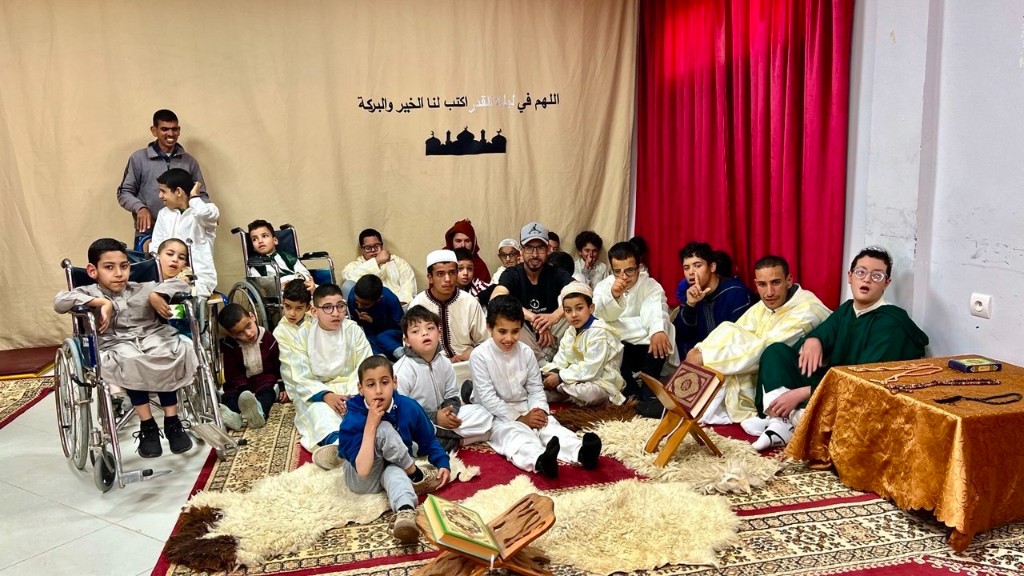
Autism spectrum disorder (ASD) most often appears in early childhood and accompanies the person throughout life. Early identification and tailored interventions support communication, autonomy, and school and social inclusion.
1. Early identification and diagnosis
Warning signs can appear before the age of 3: difficulties in social communication, restricted or repetitive interests, and sensory hypersensitivity. The French National Authority for Health (HAS) recommends a multidisciplinary assessment as soon as concerns arise, without waiting for formal diagnostic confirmation before offering support.
2. Developmental and behavioral interventions
Recommended care pathways are comprehensive, personalized, and coordinated across health, medico-social, and educational sectors. They focus in particular on:
- communication and social interactions;
- daily living skills and autonomy;
- motor skills and sensory regulation;
- school learning adapted to the child's pace.
3. Role of family and the educational centre
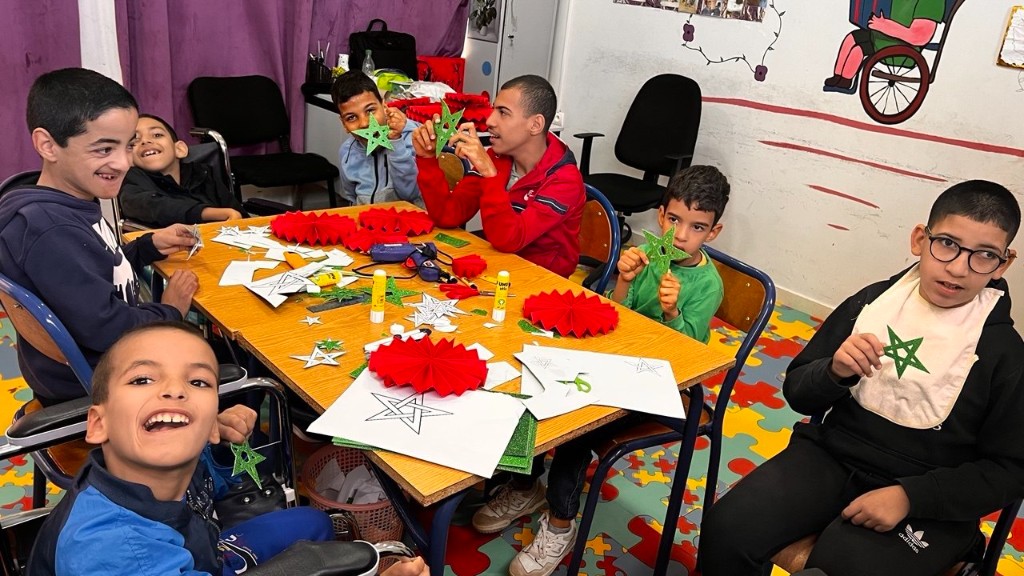
Families and professionals work closely together to generalize acquired skills in everyday life. At the centre, specialized education, speech therapy, and structured routines help each child progress at their own pace in a supportive and predictable environment.
4. Long-term follow-up
The pathway does not stop in childhood: transition to adolescence and adulthood requires particular vigilance to ensure continuity of care, schooling, and social integration.
Reference source: Haute Autorité de Santé — ASD: interventions and life pathway