 Inchaden Centre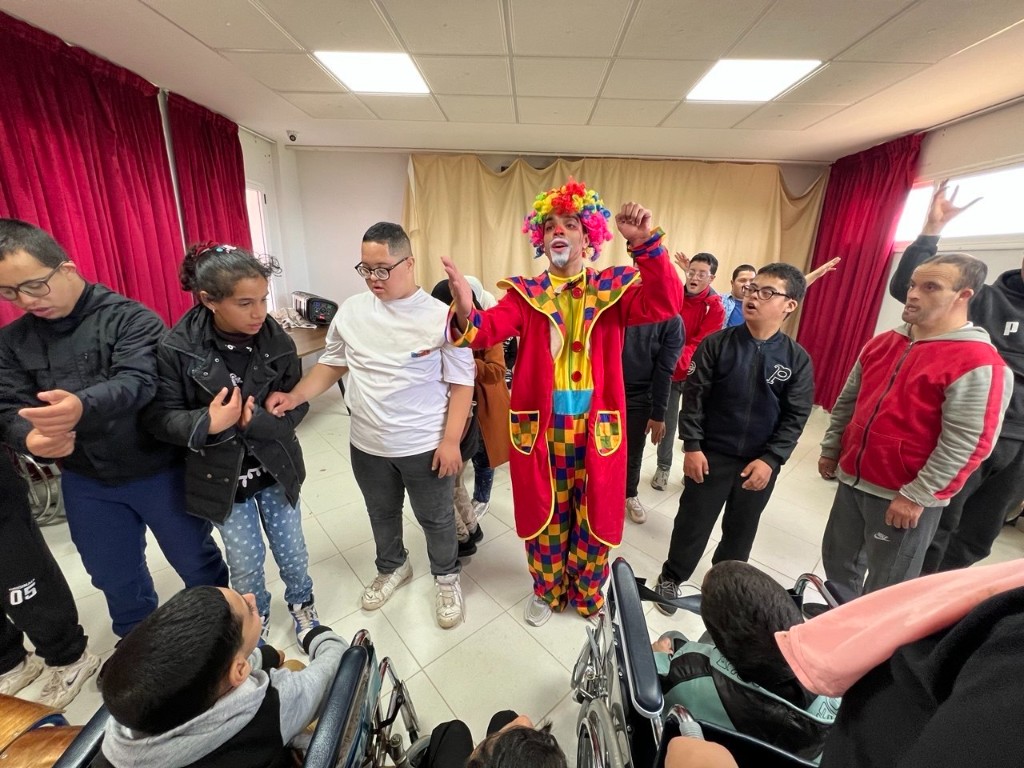
Down syndrome is a common chromosomal condition. It requires regular medical follow-up and compassionate educational support to promote each child's development, health, and autonomy.
1. Multidisciplinary medical follow-up
The national diagnostic and care protocol (PNDS) recommends annual follow-up in a specialized centre to identify and treat frequent comorbidities: cardiac, hearing, visual, thyroid, or orthopedic disorders.
2. Development and education
Educational support focuses on language, motor development, school learning, and daily living skills. Methods are adapted to each child's profile, in a structured and encouraging setting.
3. Complementary therapies
- speech therapy for communication and language;
- physiotherapy and psychomotor therapy for motor skills;
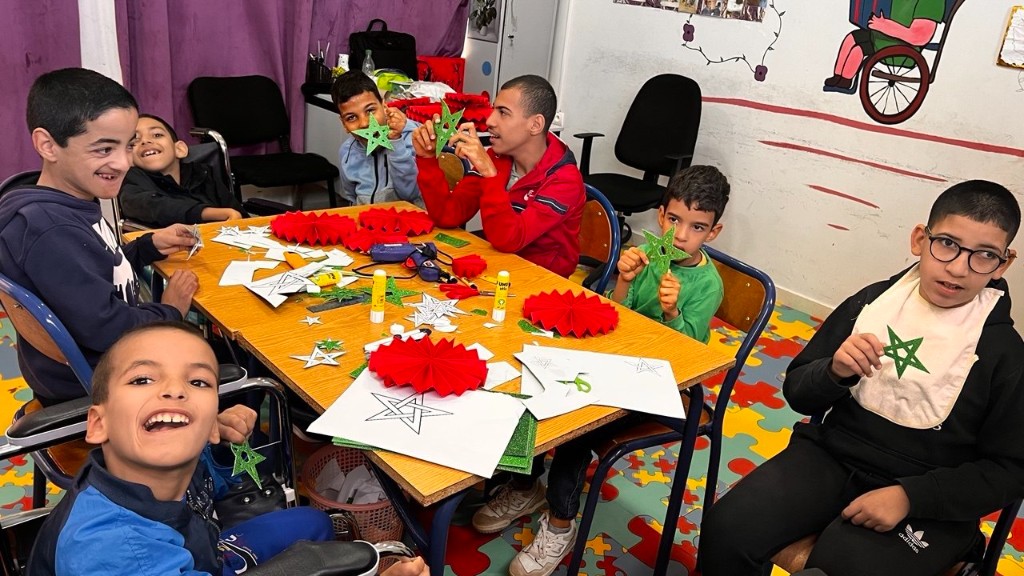
- adapted artistic and sports activities;
- psychological support for families.
4. Toward autonomy and inclusion
With a coherent pathway between the centre, family, and healthcare professionals, young people with Down syndrome can acquire sustainable skills and actively participate in social and community life.
Reference source: Haute Autorité de Santé — Down syndrome (PNDS)