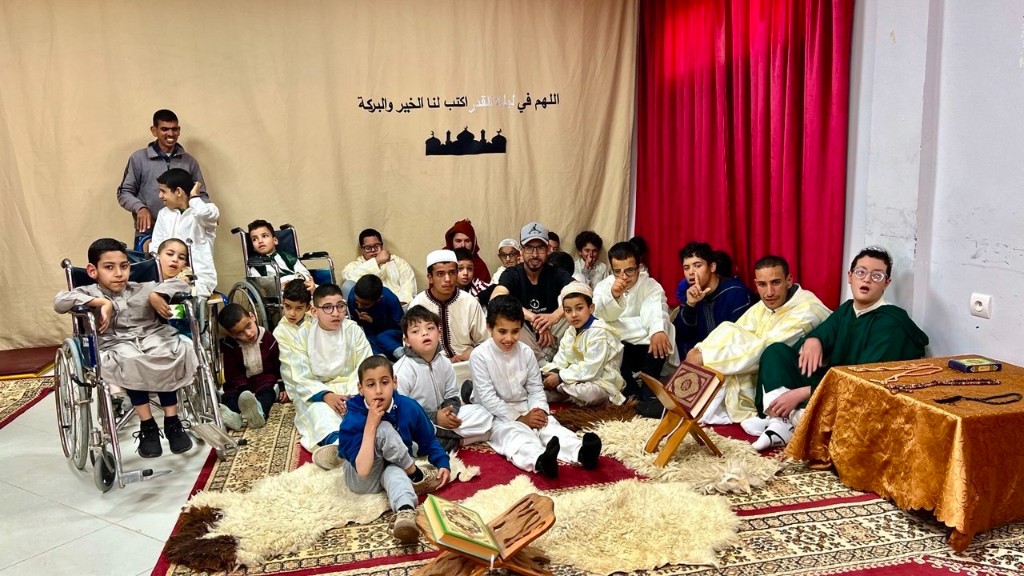
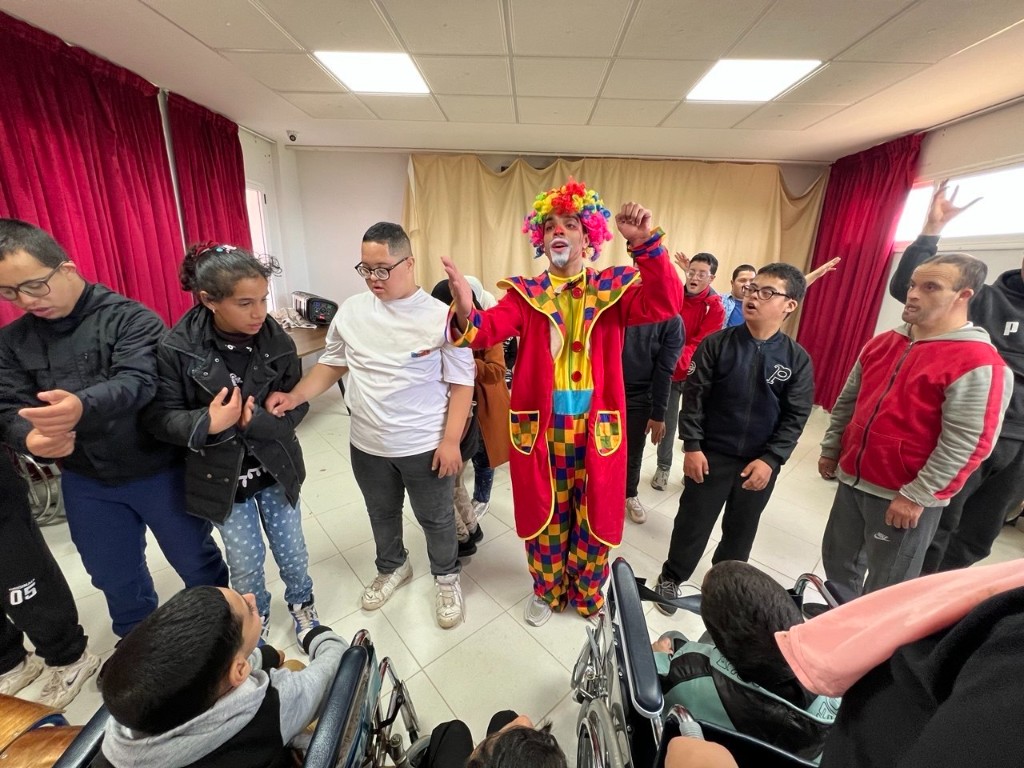
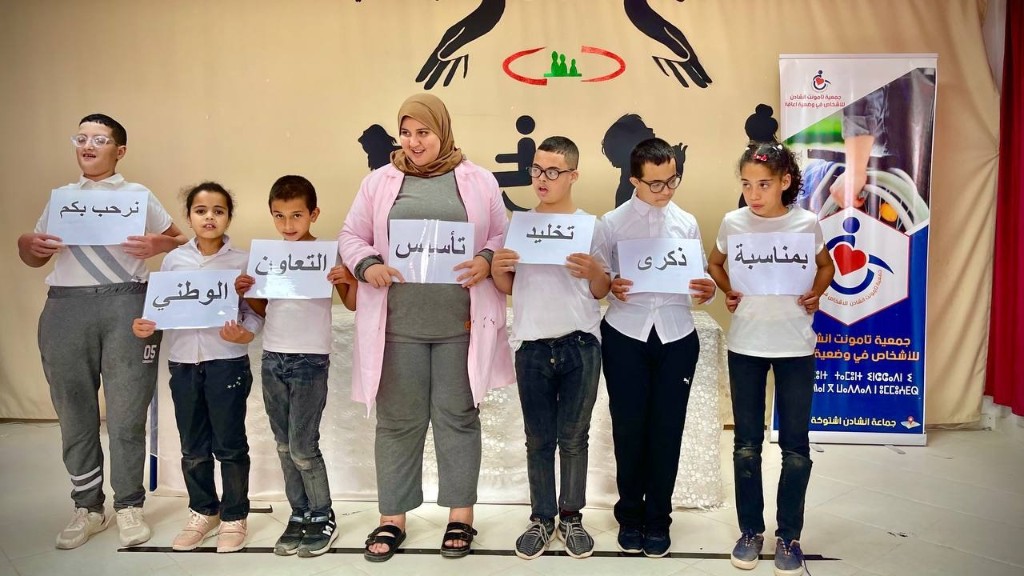
 Inchaden Centre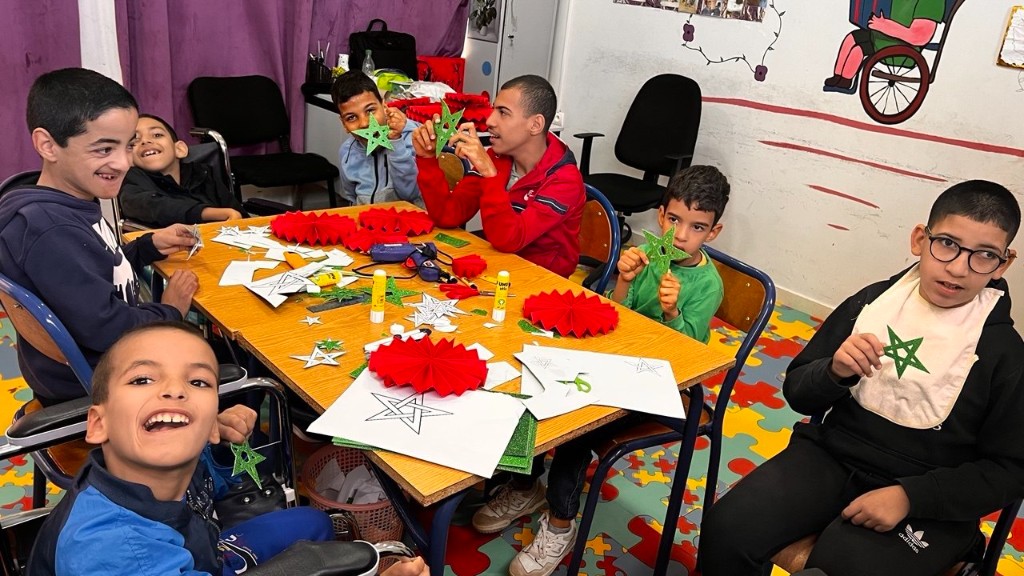
Intellectual disability is characterized by significant limitations in intellectual functioning and adaptive skills. With early and tailored support, each person can develop their abilities and participate fully in social life.
1. What is intellectual disability?
According to the World Health Organization (WHO), it is a developmental disability that affects cognitive abilities and practical skills needed in daily life: communication, autonomy, socialization, and schooling.
2. A spectrum of diverse needs
Severity varies from one person to another. Some need substantial support for basic daily tasks; others can live relatively independently with targeted assistance. Individualized assessment is therefore essential.
3. Support priorities at the centre
- progressive, practical learning (daily living, communication);
- development of social skills and autonomy;
- vocational activities and adapted workshops;
- continuous partnership with families.
4. Rights and inclusion
People with intellectual disabilities have the right to education, healthcare, and participation in community life. Inclusion policies aim to remove environmental and social barriers that limit their personal development.
Reference source: WHO — Intellectual disability (fact sheet)