 Inchaden Centre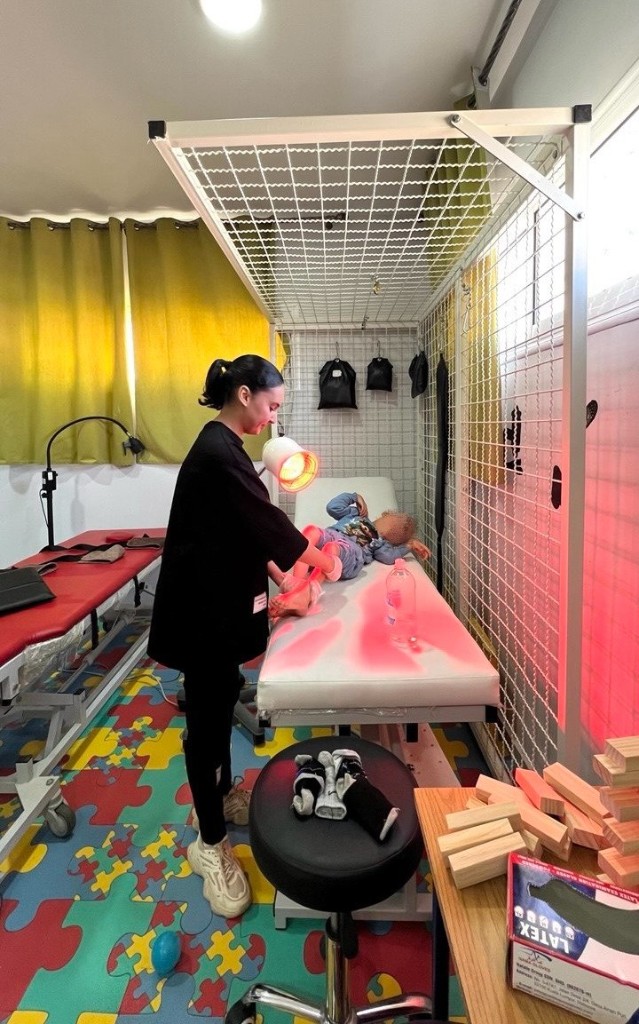
Motor disability includes long-term limitations in mobility or coordination. Rehabilitation, accessible environments, and adapted educational support are the foundations of an active and participatory life.
1. Understanding motor disability
It may result from neurological diseases, trauma, congenital malformations, or orthopedic conditions. The WHO reminds us that disability does not lie only in physical impairment, but also in social and environmental barriers.
2. Rehabilitation and health
Rehabilitation aims to restore or maintain motor functions, prevent complications, and promote autonomy. It combines medical care, physiotherapy, assistive devices, and therapeutic education for the person and family.
3. Adapted activities at the centre
- physiotherapy sessions and functional rehabilitation;
- psychomotor therapy and adapted sport;
- training in assistive devices and mobility;
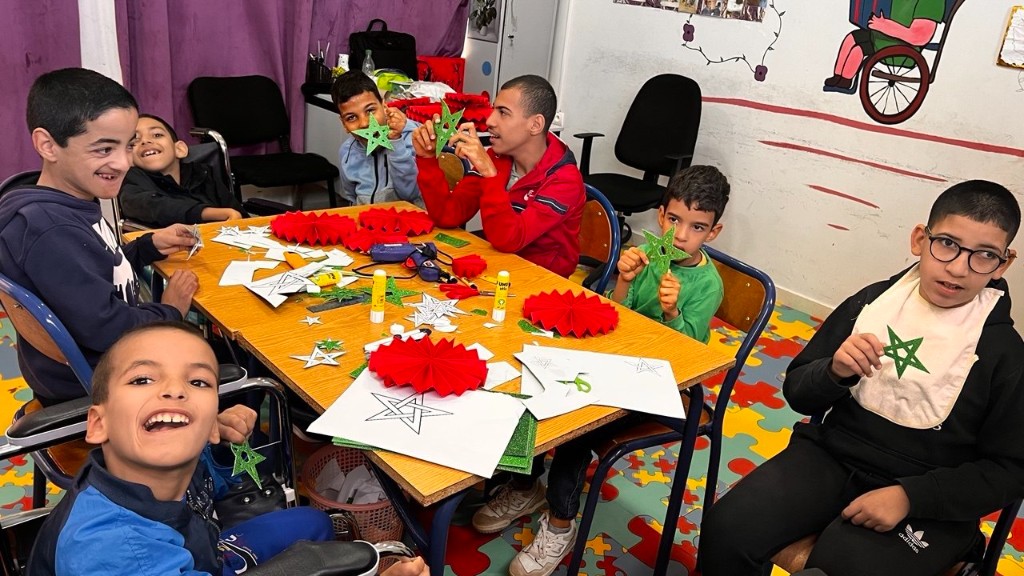
- integration into educational workshops and supervised outings.
4. Inclusion and quality of life
An accessible environment, caring attitudes, and opportunities for social participation allow people with motor disabilities to fulfill their potential and contribute to the community.
Reference source: WHO — Disability and rehabilitation